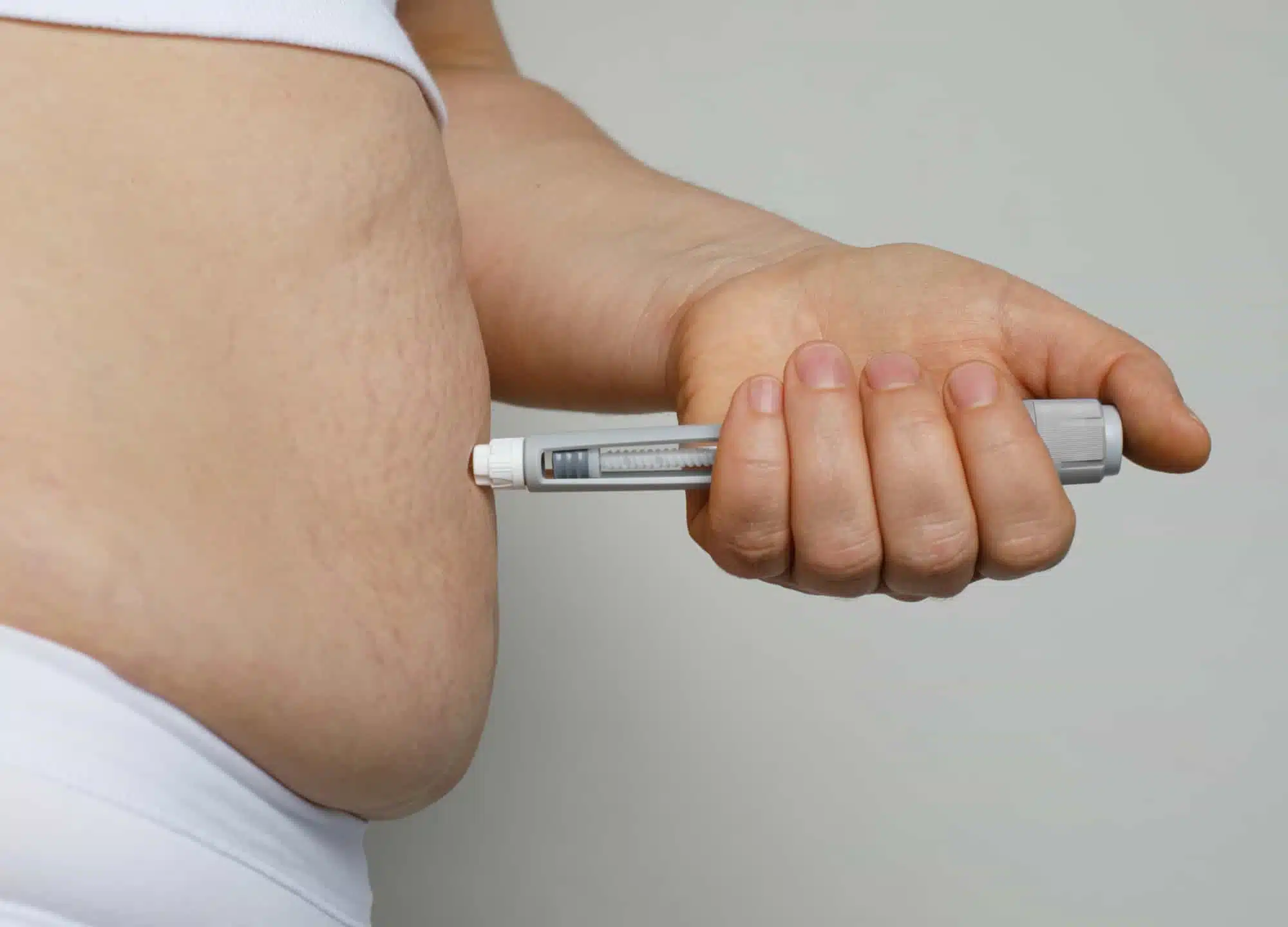
Medical weight loss is advancing rapidly, and with that progress comes both promise and noise.
How should it be used, if at all, to support long-term health?
What Is Retatrutide?
Retatrutide is a triple-hormone receptor agonist, targeting:
- GLP-1 (appetite regulation and satiety)
- GIP (insulin secretion and metabolic signaling)
- Glucagon receptors (energy expenditure and fat metabolism)
This triple mechanism is designed to influence multiple metabolic pathways simultaneously, which may explain the greater weight loss observed in early trials compared to single- or dual-agonist medications.
What the Clinical Trials Tell Us So Far
Phase 2 trial data suggests retatrutide can produce substantial weight loss, along with improvements in markers of metabolic health.
However, it’s critical to understand what early trials can’t yet tell us:
- Long-term safety data is still limited
- Real-world tolerability often differs from trial settings
- Optimal dosing strategies are still being refined
Clinical trials measure efficacy under controlled conditions—not sustainability in everyday life.
How Retatrutide Differs From Current GLP-1 Therapies
By activating glucagon receptors in addition to GLP-1 and GIP, retatrutide may:
- Suppress appetite more aggressively
- Increase caloric expenditure
- Create faster metabolic shifts
While this may enhance weight loss, it also raises important clinical considerations—particularly around lean mass preservation, nutritional adequacy, and fatigue.
More potent metabolic intervention requires more thoughtful oversight, not less.
Why Faster Weight Loss Isn’t Always Better
Weight loss alone is not the goal. Body composition, metabolic health, and functional capacity matter just as much, if not more.
Without adequate protein intake, resistance training, and structured monitoring, rapid weight loss can lead to:
- Loss of lean muscle mass
- Declining resting metabolic rate
- Increased risk of weight regain
- Reduced physical resilience
These risks increase when medications are used without a comprehensive plan.
The Risk of Medication in Isolation
One of the most concerning trends in modern obesity care is the use of powerful medications without:
- Nutritional strategy
- Strength training guidance
- Body composition tracking
- Long-term transition planning
When medication is treated as the solution rather than a tool, patients may achieve short-term scale changes while undermining long-term health.
Where Retatrutide Fits in the Bigger Picture
Retatrutide represents an exciting development in obesity medicine—but it is not a shortcut, a cure, or a stand-alone strategy.
The future of effective medical weight loss lies in:
- Individualized medication selection
- Strategic dosing and monitoring
- Integration with lifestyle, movement, and behavior change
- Planning for long-term maintenance, not just initial loss
What Patients Should Know
As new therapies emerge, informed, evidence-based guidance becomes more important, not less.
Medication can be a powerful ally when used thoughtfully and responsibly. Without structure, even the most promising advances can fall short of delivering lasting health.
The goal isn’t simply weight loss. It’s risk reduction, strength preservation, and results you can sustain.
Although early-phase trial data has been impressive, retatrutide is still completing large-scale Phase 3 trials designed to answer critical questions about:
- Long-term safety
- Durability of weight loss
- Effects on muscle mass, cardiovascular risk, and metabolic health
- Optimal dosing across different patient populations
A Critical Safety Warning About “Research-Grade” Retatrutide
As interest grows, unapproved versions of retatrutide are already being marketed online as “research peptides” or “for laboratory use only.” This is deeply concerning.
These products are:
- Not FDA-regulated
- Not required to meet pharmaceutical manufacturing standards
- Often inaccurately dosed or contaminated
- Completely inappropriate for human use
Why This Perspective Matters
The future of obesity medicine is incredibly promising. Retatrutide and other next-generation therapies may eventually expand our ability to treat metabolic disease more effectively than ever before.
But progress in medicine happens when powerful tools are introduced responsibly, with the right guardrails in place.
Until retatrutide is fully approved and available through legitimate medical channels, the focus should remain on:
- Proven, FDA-approved therapies
- Comprehensive programs that preserve muscle and metabolic health
- Evidence-based lifestyle strategies that support long-term success