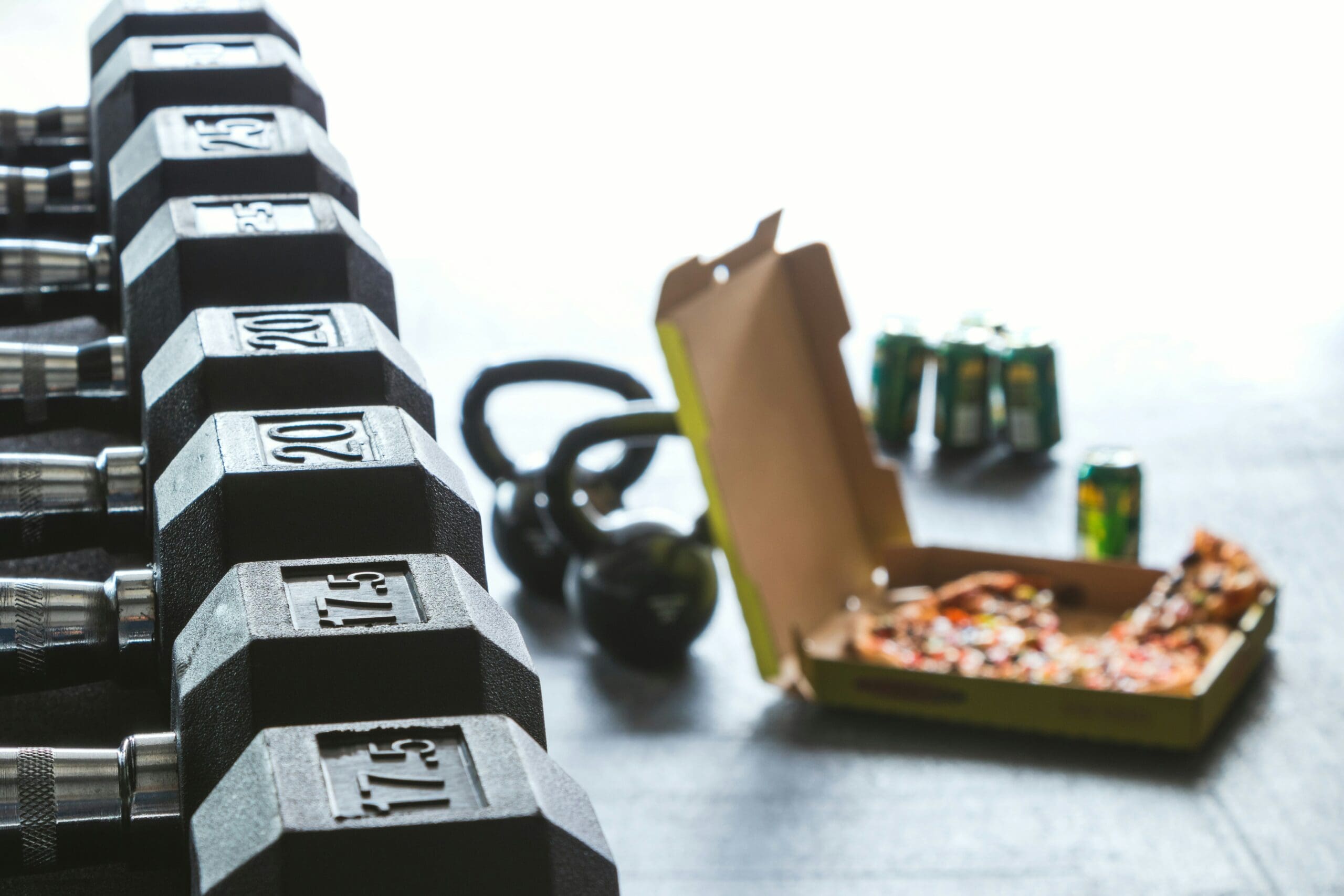
What Are Exercise Snacks?
“Exercise snacks” are small, purposeful bursts of movement spread throughout your day, like doing 25 squats between meetings or 20 pushups while waiting for coffee. They’re short (usually 2–10 minutes), require no gym, and can add up to real health and strength benefits.
Why Small Bouts Add Up
Muscle responds to repeated stimulation. Every time you activate a muscle through resistance or body weight, you trigger a small wave of protein synthesis, the foundation of muscle growth. When you repeat that several times a day, the cumulative effect can rival traditional single-session workouts, provided you reach adequate intensity and total volume over the week.
• Short bouts of bodyweight or resistance exercise performed several times per day have been shown to increase muscle mass and improve function in both younger and older adults.
• Consistency and volume (the total number of sets and reps per week) are more important than whether you train once per day or several times in smaller blocks.
• Frequent, moderate sessions also break up sedentary time, improving circulation, blood sugar control, and energy.
3. Less Sunlight and Lower Vitamin D
Shorter days mean less light exposure and lower vitamin D production. Both reduced light and low vitamin D are associated with winter mood changes and fatigue. While research on whether supplementing vitamin D prevents depression is mixed, maintaining adequate levels supports overall health and may help mood stability. Light therapy or morning sunlight exposure can help regulate circadian rhythm and serotonin activity, two major mood regulators.
Option 1: Full-Body Micro Workouts Every Day
This approach works well if your goal is consistency and maintaining a light-to-moderate stimulus throughout the week.
• Choose 3–5 compound movements: squats, pushups, lunges, rows, and planks.
• Perform one movement every 60–90 minutes throughout the day (2–5 minutes each).
• Intensity: moderate, focus on good form and full range of motion.
9 AM – 20 goblet squats
11 AM – 15 pushups
1 PM – 20 dumbbell rows
3 PM – 20 lunges (each leg)
5 PM – 30-second plank hold
• Keeps your metabolism active all day.
• Prevents long sedentary stretches.
• Easier to recover from since each bout is brief and moderate.
If you start adding significant load (heavier weights or challenging reps), your muscles will eventually need more rest. In that case, alternate focus days or take one rest day per week to recover fully.
Option 2: Alternating Muscle Group Focus
If your goal is building strength and muscle size (hypertrophy), this plan gives each muscle group adequate recovery.
• Alternate between lower body, upper body, and recovery days.
• Do 3–5 short strength “snacks” per day focused on one region.
• Each snack is 1–2 sets of 10–20 reps (body weight or moderate weight).
• Aim for 10–15 total sets per muscle group per week, enough for progress in most adults.
Monday – Lower Body: 25 squats, 20 lunges, 15 glute bridges
Tuesday – Upper Body: 15 pushups, 10 pullups (or rows), 15 dumbbell presses
Wednesday – Mobility / Core: yoga flows, plank variations, stretching
Thursday – Lower Body: weighted goblet squats, step-ups, Romanian deadlifts
Friday – Upper Body: pushups, rows, shoulder presses
Saturday – Active recovery (walk, swim, yoga)
Sunday – Rest
• Mimics traditional strength split training while keeping sessions short.
• Allows time for muscle repair and growth.
• Prevents overuse fatigue from hitting the same muscles daily.
The Key: Total Weekly Volume
Regardless of which strategy you choose, total training volume drives progress.
• 10–15 total sets per muscle group per week is effective.
• Each set should feel challenging by the last few reps (2–3 reps short of failure).
• Whether you achieve that through one-hour workouts or 20 scattered micro sessions doesn’t matter as much as consistency and intensity.
Tips to Make It Stick
• Set reminders to move hourly.
• Keep a kettlebell or dumbbell nearby for quick access.
• Track your totals: aim for a certain number of squats, pushups, or lifts each week.
• Listen to your body: mild soreness is fine, fatigue or pain means rest.
• Fuel your recovery: prioritize protein and hydration.
Bottom Line
“Exercise snacks” are more than just a fitness trend, they’re a flexible, science-supported way to build and maintain strength in real life. You don’t need an hour, a gym, or perfect conditions. You just need small, consistent efforts that accumulate into meaningful results.
At Aspect Wellness
We help you design sustainable strength and wellness plans that fit into your real life, whether that means structured gym sessions or mini strength bursts between Zoom calls. Your initial consultation includes a full assessment of muscle mass, metabolism, and hormone health, so we can build a personalized plan that keeps you strong for the long haul.